Buy social-networker.com ?
We are moving the project
social-networker.com .
Are you interested in purchasing the domain
social-networker.com ?
domain@kv-gmbh.de · 0541-91531010
Buy social-networker.com ?
What are trophic levels and trophic structures?
Trophic levels refer to the hierarchical levels in an ecosystem through which energy and nutrients flow. They represent the feeding positions of different organisms in a food chain or food web. Trophic structures, on the other hand, describe the organization of these trophic levels within an ecosystem. This includes the distribution of energy and nutrients among different organisms, as well as the interactions and relationships between them. Overall, trophic levels and trophic structures are important concepts for understanding the flow of energy and nutrients in ecosystems and the dynamics of food chains and food webs. **
Are trophic levels and trophic levels the same in biology?
No, trophic levels and trophic levels are not the same in biology. Trophic levels refer to the hierarchical levels in an ecosystem based on an organism's position in the food chain, such as producers, primary consumers, secondary consumers, etc. On the other hand, trophic cascades are the indirect effects that occur when a change in one trophic level impacts other trophic levels in the ecosystem. Both concepts are important in understanding the dynamics of energy flow and interactions within ecosystems. **

Similar search terms for Trophic
Top-Angebote
Products related to Trophic:
-
Mastering Relationships by Astha Kapoor - Relationship & Self-Help Guide - New Paperback - Practical Advice for Healthier RelationshipsRelationships shape almost every part of our daily happiness, yet so many of us never learn the practical skills needed to keep them strong. Mastering Relationships by Astha Kapoor is a down-to-earth non-fiction guide that tackles communication, boundaries, and emotional connection head-on. Rather than leaning on dense psychological jargon, the author offers clear, usable advice for anyone wanting calmer conversations, deeper trust, and fewer repeated arguments. This paperback is written for real life, not theory, making it a genuinely approachable read for partners, friends, and families alike. Mastering Relationships walks readers through the everyday friction points that quietly erode connection: miscommunication, unspoken expectations, and boundaries that are either too rigid or missing altogether. Astha Kapoor breaks these challenges into manageable, relatable chapters, encouraging self-reflection.2,99 £*Shipping: 2,99 £Secure redirect to the provider
-
Uplift Essentials Wooden Lover Ring Box Engagement & Wedding Display High Yield Romantic Interaction Hub white doubleAchieve presentation optimization with this Precision Wooden Ring Box. Specifically engineered for aesthetic transparency, this highperformance technical tool acts as a vital tool for ceremonial efficiency, neutralizing the limitations of basic...62,97 $*Shipping: 0,00 $Secure redirect to the provider
-
Uplift Essentials Wooden Lover Ring Box Engagement & Wedding Display High Yield Romantic Interaction Hub red doubleAchieve presentation optimization with this Precision Wooden Ring Box. Specifically engineered for aesthetic transparency, this highperformance technical tool acts as a vital tool for ceremonial efficiency, neutralizing the limitations of basic...62,97 $*Shipping: 0,00 $Secure redirect to the provider
-
Uplift Essentials Wooden Lover Ring Box Engagement & Wedding Display High Yield Romantic Interaction Hub brown singleAchieve presentation optimization with this Precision Wooden Ring Box. Specifically engineered for aesthetic transparency, this highperformance technical tool acts as a vital tool for ceremonial efficiency, neutralizing the limitations of basic...58,97 $*Shipping: 0,00 $Secure redirect to the provider


-
Are trophic levels and trophic levels the same thing in biology?
No, "trophic levels" and "trophic levels" are not the same thing in biology. "Trophic levels" refer to the hierarchical levels in an ecosystem based on an organism's position in the food chain, such as producers, primary consumers, secondary consumers, and so on. On the other hand, "trophic levels" appears to be a typographical error or a repetition of the term "trophic levels." In biology, it is important to use accurate and specific terminology to avoid confusion and miscommunication. **
-
Why do organisms become larger from trophic level to trophic level?
Organisms become larger from trophic level to trophic level due to the efficiency of energy transfer in ecosystems. As energy is transferred from one trophic level to the next, there is a loss of energy in the form of heat and metabolic processes. Larger organisms are able to consume more energy-rich food sources and have a more efficient metabolism, allowing them to grow in size as they move up the food chain. Additionally, larger organisms are better equipped to capture and consume prey, giving them a competitive advantage in obtaining energy and resources. **
-
Why do organisms get larger from trophic level to trophic level?
Organisms tend to get larger from one trophic level to the next because as energy is transferred up the food chain, there is a loss of energy at each level. This means that organisms at higher trophic levels need to consume larger quantities of organisms from lower trophic levels to obtain enough energy to sustain themselves. Additionally, larger organisms are more efficient at capturing and consuming prey, allowing them to thrive at higher trophic levels. Finally, larger organisms have a lower surface area to volume ratio, which helps them retain heat and energy more effectively. **
-
Why does the biomass decrease from trophic level to trophic level?
Biomass decreases from trophic level to trophic level because energy is lost as it moves through the food chain. Organisms at each trophic level use some of the energy they consume for their own metabolic processes, such as respiration and movement, and the rest is lost as heat. This means that there is less energy available to be passed on to the next trophic level, resulting in a decrease in biomass. Additionally, not all of the energy from one trophic level is consumed by the next level, as some is lost through waste and uneaten parts of organisms. **


What are trophic levels in biology?
Trophic levels in biology refer to the hierarchical levels in an ecosystem where organisms are grouped based on their feeding relationships. The primary producers, such as plants, are at the base of the trophic levels as they convert sunlight into energy through photosynthesis. Herbivores that feed on plants are at the next level, followed by carnivores that eat herbivores. Each trophic level represents a transfer of energy and nutrients through the ecosystem, with energy decreasing as it moves up the levels. **
What is the trophic level of omnivores?
Omnivores are organisms that consume both plants and animals, so their trophic level can vary. When they consume plants, they are considered primary consumers (herbivores) and when they consume animals, they are considered secondary consumers (carnivores). This means that omnivores can occupy multiple trophic levels within a food web, depending on their diet. **
Top-Angebote
Products related to Trophic:
-
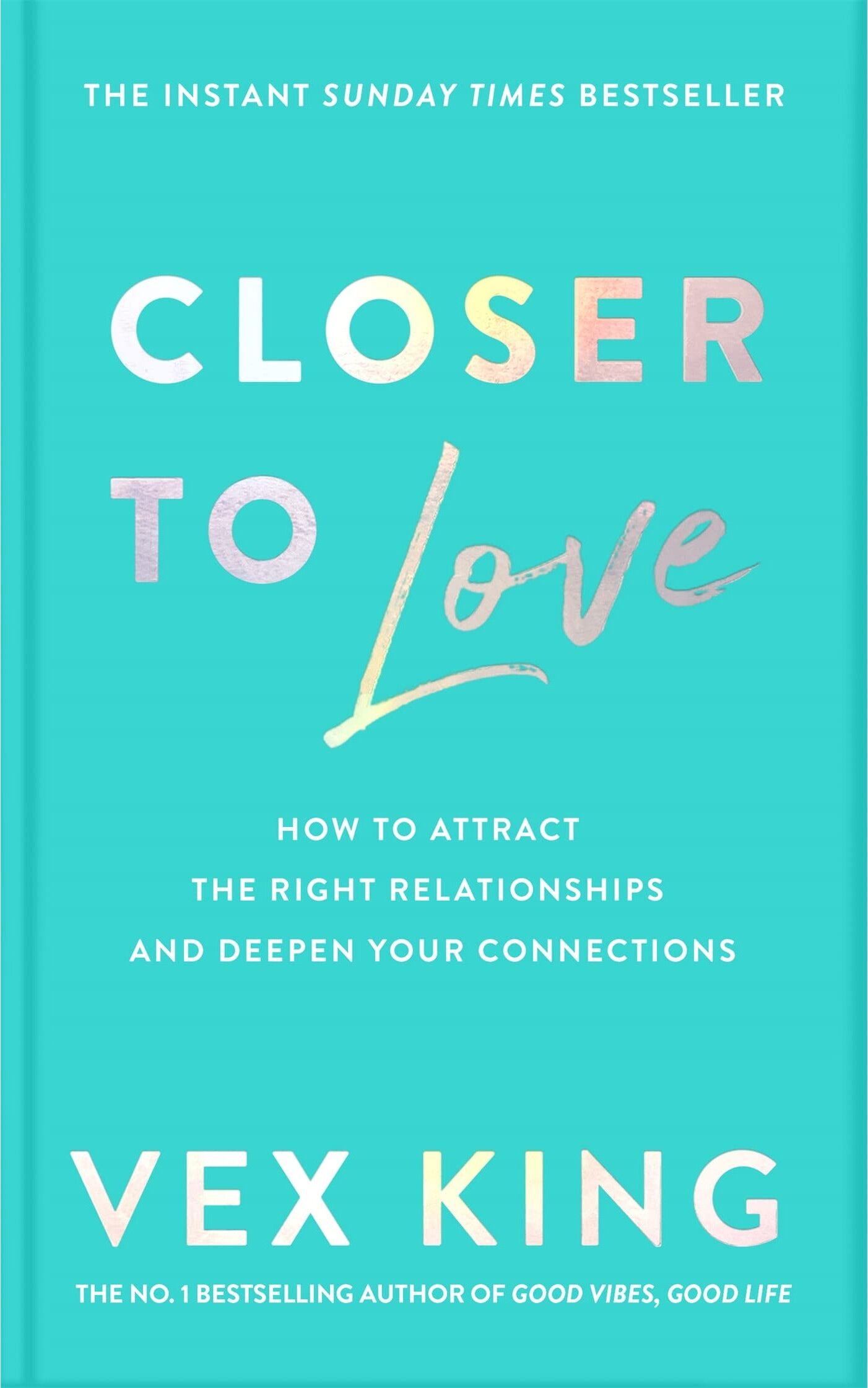
Bluebird Closer to Love: How to Attract the Right Relationships and Deepen Your Connections by Vex King - PAPERBACKDo you love your partner but want to rekindle that ‘in love’ feeling?Do you go on plenty of dates but can’t seem to click with the right person?Do you keep having the same conflicts with your partner?Embark on a journey of self-love to experience authentic connection and unconditional love . . .Speaking from his personal experiences of healing from heartbreak and finding lasting love, Vex shares practical advice and thought-provoking insights to help you:- Understand how you love and the role you play in your connections- Heal from past conditioning, unprocessed emotions and trauma- Cultivate healthy habits, boundaries and behaviours- Nurture meaningful, mindful and lasting connections.Essential reading for anyone looking to deepen their understanding of themselves and their relationships.7,99 £*Shipping: 2,99 £Secure redirect to the provider
-
Uplift Essentials Wooden Lover Ring Box Engagement & Wedding Display High Yield Romantic Interaction Hub white singleAchieve presentation optimization with this Precision Wooden Ring Box. Specifically engineered for aesthetic transparency, this highperformance technical tool acts as a vital tool for ceremonial efficiency, neutralizing the limitations of basic...58,97 $*Shipping: 0,00 $Secure redirect to the provider
-
Mastering Relationships by Astha Kapoor - Relationship & Self-Help Guide - New Paperback - Practical Advice for Healthier RelationshipsRelationships shape almost every part of our daily happiness, yet so many of us never learn the practical skills needed to keep them strong. Mastering Relationships by Astha Kapoor is a down-to-earth non-fiction guide that tackles communication, boundaries, and emotional connection head-on. Rather than leaning on dense psychological jargon, the author offers clear, usable advice for anyone wanting calmer conversations, deeper trust, and fewer repeated arguments. This paperback is written for real life, not theory, making it a genuinely approachable read for partners, friends, and families alike. Mastering Relationships walks readers through the everyday friction points that quietly erode connection: miscommunication, unspoken expectations, and boundaries that are either too rigid or missing altogether. Astha Kapoor breaks these challenges into manageable, relatable chapters, encouraging self-reflection.2,99 £*Shipping: 2,99 £Secure redirect to the provider
-
Uplift Essentials Wooden Lover Ring Box Engagement & Wedding Display High Yield Romantic Interaction Hub white doubleAchieve presentation optimization with this Precision Wooden Ring Box. Specifically engineered for aesthetic transparency, this highperformance technical tool acts as a vital tool for ceremonial efficiency, neutralizing the limitations of basic...62,97 $*Shipping: 0,00 $Secure redirect to the provider
-
What are trophic levels and trophic structures?
Trophic levels refer to the hierarchical levels in an ecosystem through which energy and nutrients flow. They represent the feeding positions of different organisms in a food chain or food web. Trophic structures, on the other hand, describe the organization of these trophic levels within an ecosystem. This includes the distribution of energy and nutrients among different organisms, as well as the interactions and relationships between them. Overall, trophic levels and trophic structures are important concepts for understanding the flow of energy and nutrients in ecosystems and the dynamics of food chains and food webs. **
-
Are trophic levels and trophic levels the same in biology?
No, trophic levels and trophic levels are not the same in biology. Trophic levels refer to the hierarchical levels in an ecosystem based on an organism's position in the food chain, such as producers, primary consumers, secondary consumers, etc. On the other hand, trophic cascades are the indirect effects that occur when a change in one trophic level impacts other trophic levels in the ecosystem. Both concepts are important in understanding the dynamics of energy flow and interactions within ecosystems. **
-
Are trophic levels and trophic levels the same thing in biology?
No, "trophic levels" and "trophic levels" are not the same thing in biology. "Trophic levels" refer to the hierarchical levels in an ecosystem based on an organism's position in the food chain, such as producers, primary consumers, secondary consumers, and so on. On the other hand, "trophic levels" appears to be a typographical error or a repetition of the term "trophic levels." In biology, it is important to use accurate and specific terminology to avoid confusion and miscommunication. **
-
Why do organisms become larger from trophic level to trophic level?
Organisms become larger from trophic level to trophic level due to the efficiency of energy transfer in ecosystems. As energy is transferred from one trophic level to the next, there is a loss of energy in the form of heat and metabolic processes. Larger organisms are able to consume more energy-rich food sources and have a more efficient metabolism, allowing them to grow in size as they move up the food chain. Additionally, larger organisms are better equipped to capture and consume prey, giving them a competitive advantage in obtaining energy and resources. **
Similar search terms for Trophic
-
Uplift Essentials Wooden Lover Ring Box Engagement & Wedding Display High Yield Romantic Interaction Hub red doubleAchieve presentation optimization with this Precision Wooden Ring Box. Specifically engineered for aesthetic transparency, this highperformance technical tool acts as a vital tool for ceremonial efficiency, neutralizing the limitations of basic...62,97 $*Shipping: 0,00 $Secure redirect to the provider
-
Uplift Essentials Wooden Lover Ring Box Engagement & Wedding Display High Yield Romantic Interaction Hub brown singleAchieve presentation optimization with this Precision Wooden Ring Box. Specifically engineered for aesthetic transparency, this highperformance technical tool acts as a vital tool for ceremonial efficiency, neutralizing the limitations of basic...58,97 $*Shipping: 0,00 $Secure redirect to the provider
-
Uplift Essentials Wooden Lover Ring Box Engagement & Wedding Display High Yield Romantic Interaction Hub brown doubleAchieve presentation optimization with this Precision Wooden Ring Box. Specifically engineered for aesthetic transparency, this highperformance technical tool acts as a vital tool for ceremonial efficiency, neutralizing the limitations of basic...62,97 $*Shipping: 0,00 $Secure redirect to the provider
-
Uplift Essentials Wooden Lover Ring Box Engagement & Wedding Display High Yield Romantic Interaction Hub black singleAchieve presentation optimization with this Precision Wooden Ring Box. Specifically engineered for aesthetic transparency, this highperformance technical tool acts as a vital tool for ceremonial efficiency, neutralizing the limitations of basic...58,97 $*Shipping: 0,00 $Secure redirect to the provider
-
Why do organisms get larger from trophic level to trophic level?
Organisms tend to get larger from one trophic level to the next because as energy is transferred up the food chain, there is a loss of energy at each level. This means that organisms at higher trophic levels need to consume larger quantities of organisms from lower trophic levels to obtain enough energy to sustain themselves. Additionally, larger organisms are more efficient at capturing and consuming prey, allowing them to thrive at higher trophic levels. Finally, larger organisms have a lower surface area to volume ratio, which helps them retain heat and energy more effectively. **
-
Why does the biomass decrease from trophic level to trophic level?
Biomass decreases from trophic level to trophic level because energy is lost as it moves through the food chain. Organisms at each trophic level use some of the energy they consume for their own metabolic processes, such as respiration and movement, and the rest is lost as heat. This means that there is less energy available to be passed on to the next trophic level, resulting in a decrease in biomass. Additionally, not all of the energy from one trophic level is consumed by the next level, as some is lost through waste and uneaten parts of organisms. **
-
What are trophic levels in biology?
Trophic levels in biology refer to the hierarchical levels in an ecosystem where organisms are grouped based on their feeding relationships. The primary producers, such as plants, are at the base of the trophic levels as they convert sunlight into energy through photosynthesis. Herbivores that feed on plants are at the next level, followed by carnivores that eat herbivores. Each trophic level represents a transfer of energy and nutrients through the ecosystem, with energy decreasing as it moves up the levels. **
-
What is the trophic level of omnivores?
Omnivores are organisms that consume both plants and animals, so their trophic level can vary. When they consume plants, they are considered primary consumers (herbivores) and when they consume animals, they are considered secondary consumers (carnivores). This means that omnivores can occupy multiple trophic levels within a food web, depending on their diet. **
* All prices are inclusive of VAT and, if applicable, plus shipping costs. The offer information is based on the details provided by the respective shop and is updated through automated processes. Real-time updates do not occur, so deviations can occur in individual cases. ** Note: Parts of this content were created by AI.